Battery Recycling & Disposal
Industrial batteries retain electrical energy and contain regulated materials. Safe removal, storage, transport and licensed recycling protect people and the environment.
Plan before end of service
Industrial batteries must never enter general waste
Battery replacement planning begins with chemistry, condition, quantity, location and the rules that apply where the waste is generated. The site owner and service team arrange a controlled isolation, protect personnel from electrical and chemical hazards, and confirm the licensed collection and recovery route before batteries leave site.
Safe handling
Isolate, identify, protect and segregate
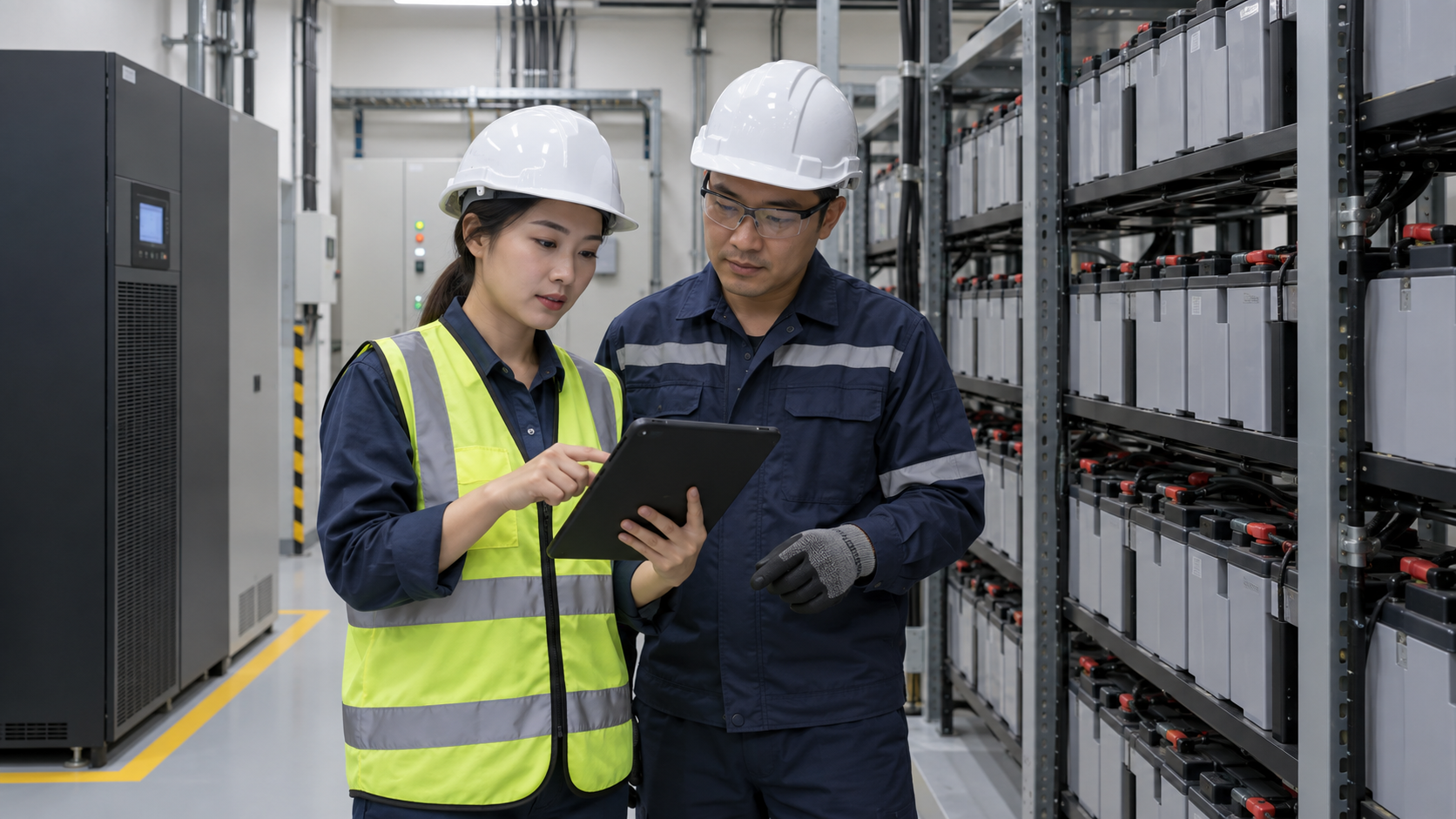
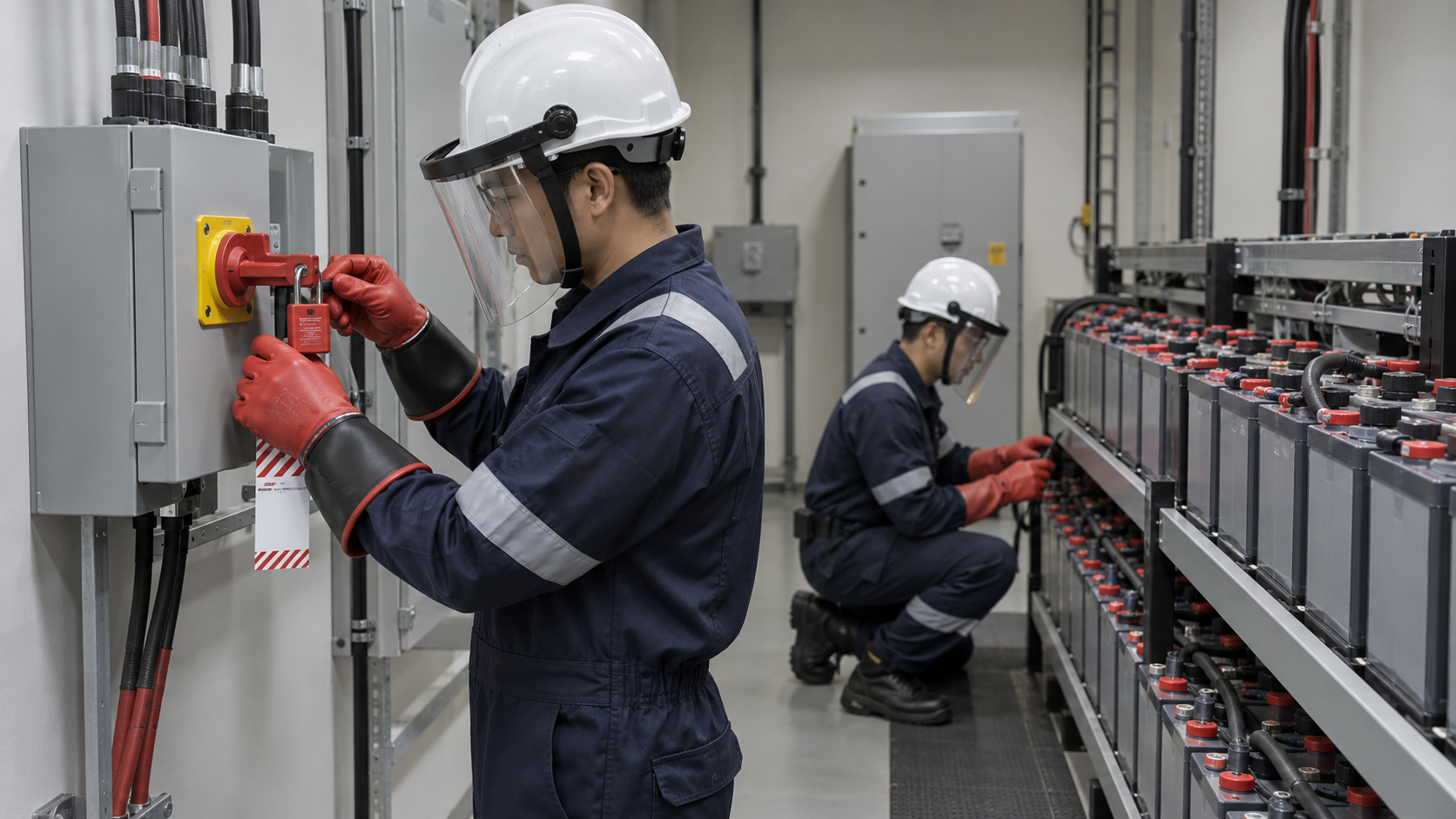
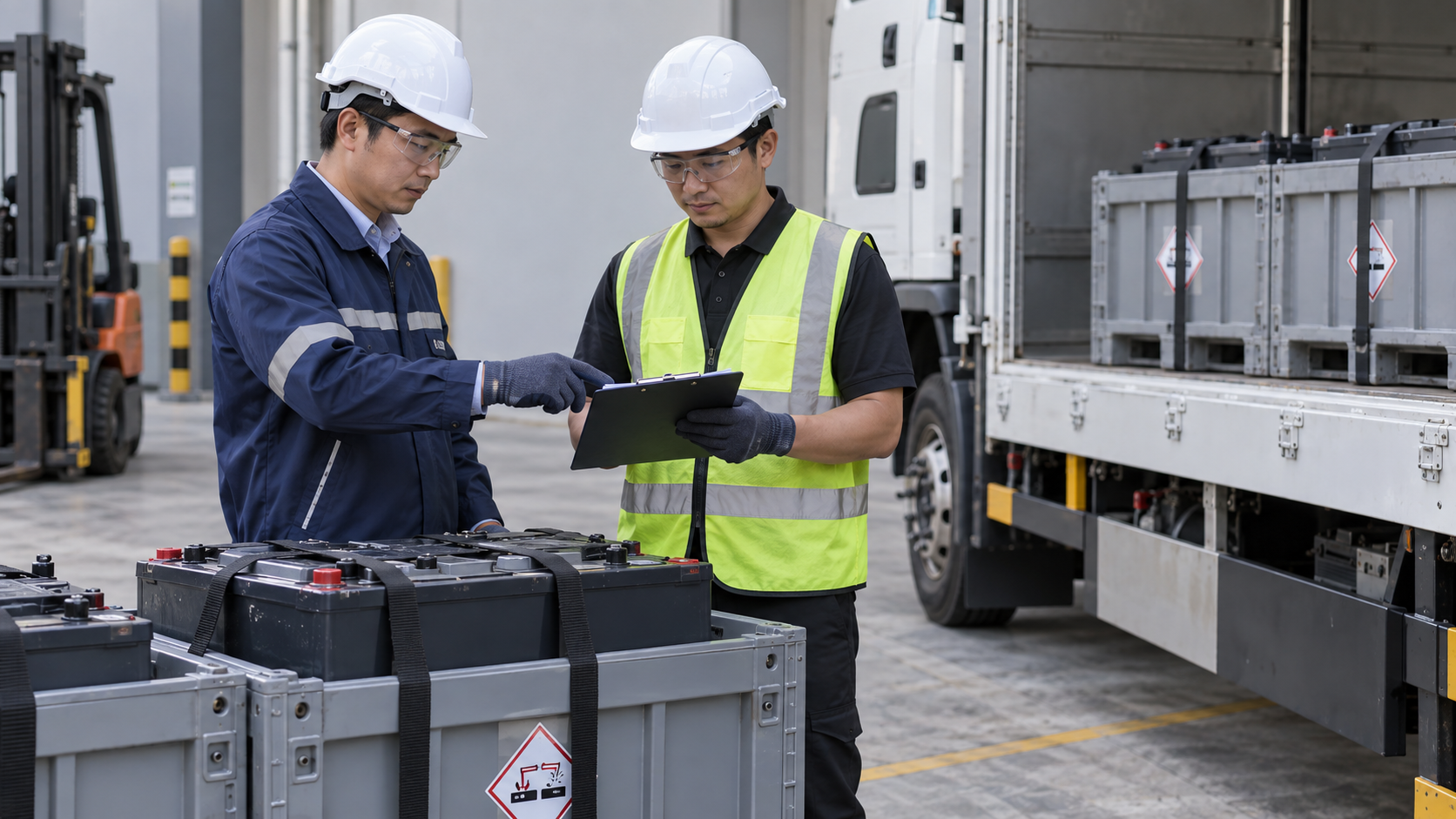
Before removal, the battery system is isolated under an approved method, isolation is proven and stored-energy hazards are controlled. Battery identification and condition are recorded. Terminals are protected against short circuit, units remain upright where required, and suitable secondary containment is used.
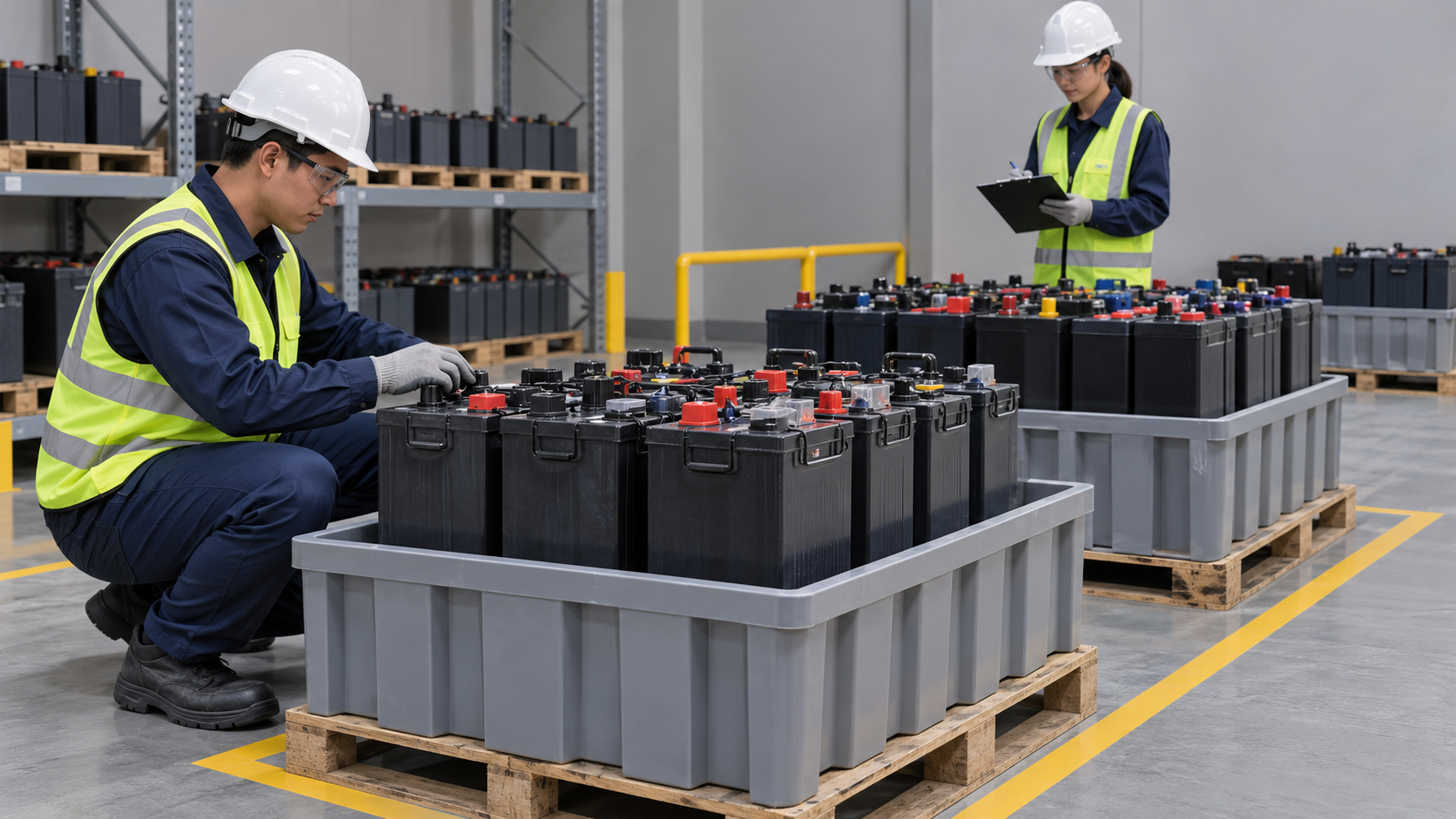
Lead-acid and nickel-cadmium batteries are kept in separate, clearly identified streams. Storage areas are secure, dry, ventilated where required, protected from weather and arranged so emergency access remains clear.
Singapore control
Documented collection by licensed specialists
In Singapore, Avatec arranges for batteries to be disposed of properly through appropriately licensed collectors and approved treatment or recovery facilities. Applicable transport, labelling and consignment controls are followed, and Avatec issues a disposal certificate to the equipment owner as evidence of the completed disposal route.
For projects outside Singapore, batteries must be disposed of through the proper approved channels in the country where the waste is generated. Owners should contact their Avatec representative for guidance on the correct method and suitable local channels before removal or transport.
Lead-acid batteries are routed for recovery of lead, plastics and electrolyte through controlled processes. Nickel-cadmium batteries remain in a dedicated recovery stream because cadmium requires strict environmental control.
Controlled holding area
Store safely before authorised collection
Removed batteries are kept upright in dedicated containment, terminals are protected, chemistries are segregated and access is restricted to trained personnel. The holding area remains clean, dry and clearly arranged so each consignment can be checked before collection. Batteries are not dismantled, drained or mixed at the customer site.